Evaluator Context · Interoperability Layer
NORMALIZE — Canonical Model
Different institutions produce transaction metadata in different shapes. The normalization stage maps those institution-specific structures into a common canonical transaction model, allowing the same downstream trust, explainability and policy logic to operate consistently across multiple systems.
NORMALIZE — Canonical Model
Expanded evaluator context
Professional interpretation
Purpose in the demonstrator
This stage demonstrates interoperability. It shows that the TRUST SDK is not tied to one bank or one switch format. Instead, it relies on a canonical representation that standardizes the assessment baseline.
Operational meaning
Schema alignmentSource-specific fields are mapped into the canonical structure.
ValidationMandatory fields, codes and structural rules are checked before the transaction advances.
PseudonymizationDirect identifiers remain outside the visible evaluator interface.
Inputs and outputs
| Element | Meaning in this demonstrator |
|---|---|
| Source metadata | Institution-specific transaction representation entering the SDK edge. |
| Canonical transaction model | Normalized representation with common field semantics across ecosystems. |
| Validation result | Confirmation that the synthetic transaction conforms to the demonstrator contract. |
| Output | Reusable normalized transaction ready for feature and context extraction. |
Evaluator questions this page answers
- How can a bank, MNO and FinTech share one trust assessment pipeline?
- What does “canonical model” mean in operational terms?
- How are incompatible source structures reconciled?
- How is institution-specific complexity isolated from the AI layer?
How this stage fits in the end-to-end chain
1. INPUTRaw synthetic transaction selected.
2. NORMALIZEMapped to the canonical transaction structure.
3. FEATURESContext and behavioural evidence generated from canonical fields.
4. DOWNSTREAMAI and policy operate on a standard, cross-system representation.
Governance and interpretation notes
This page is an evaluator-facing contextual explanation of the demonstrator stage. It explains the business role, the technical contribution, the governance boundary and the expected interpretation of the displayed output. It is designed to make the demonstration credible, understandable and professionally reviewable without exposing raw internal JSON on-screen.
Canonical Normalization View
This diagram explains how distinct source transaction schemas are converted into a single canonical transaction model.
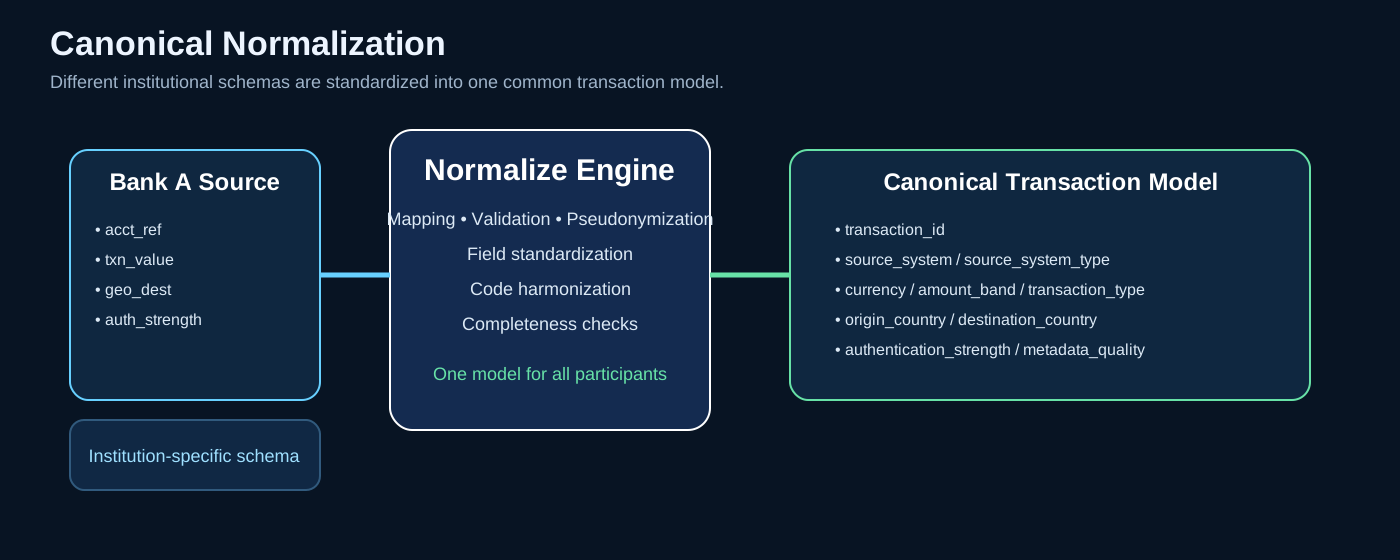
Normalization is the key interoperability mechanism that allows multiple institution types to share one assessment pipeline.